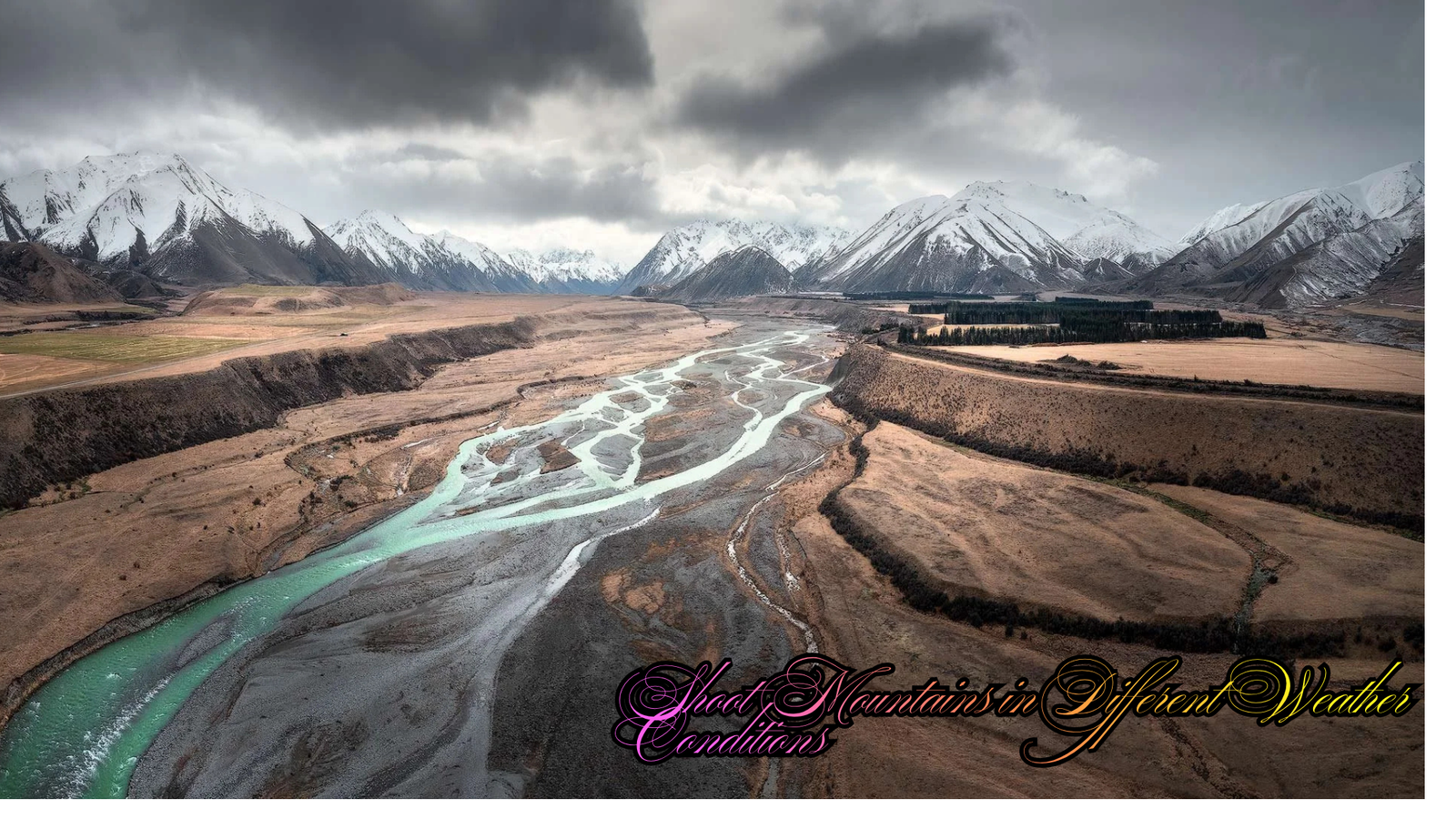
Learn how to shoot mountains in every weather condition—sun, fog, rain, snow, or storms. Master the right camera settings, composition, and techniques for stunning mountain photos.
Introduction: Why Weather Matters in Mountain Photography
Mountain photography is one of the most rewarding yet challenging forms of landscape photography. The same location can look dramatically different depending on the weather—clear skies highlight sharp ridges, fog adds mystery, storms create drama, and snow transforms landscapes into glowing white canvases.
For a photographer, understanding weather isn’t optional; it’s critical for capturing the best possible mountain images. Weather changes light, contrast, visibility, mood, color temperature, shadows, and even composition options.
In this guide, you’ll learn exactly how to capture mountains in every major weather condition, the best camera settings for each, and expert tips professionals use to turn difficult weather into breathtaking shots.
1. Shooting Mountains in Clear Weather
Clear days are the most common scenario for mountain photography—but also the easiest to get wrong. The light can be harsh, colors washed out, and shadows deep. Yet with proper technique, you can produce extremely crisp and vibrant mountain images.
Best Time to Shoot
- Golden Hour (1 hour after sunrise, 1 hour before sunset)
- Blue Hour (20–30 minutes before sunrise or after sunset)
- Midday only with ND filters or when capturing high-contrast scenes
Recommended Camera Settings
- Aperture: f/8–f/11 for maximum sharpness
- ISO: 64–200
- Shutter speed: 1/125–1/250 (adjust for wind)
- White balance: Daylight
How to Compose Shots in Clear Weather
- Use leading lines such as ridges, trails, or rivers
- Include foreground elements for depth
- Use polarizer filters to reduce glare and deepen blue skies
- Shift compositions to avoid flat lighting
Pro Tip
On bright days, always review the histogram—not the LCD preview—to avoid blown highlights.
2. Shooting Mountains in Cloudy Weather
Cloudy weather is underrated in mountain photography. Soft, diffused light helps define textures, minimize harsh shadows, and create a dramatic mood.
Advantages of Overcast Conditions
- Even lighting across the scene
- Rich color saturation
- Perfect for close-up mountain details
- Ideal for waterfalls, forests, and rocks near mountains
Best Settings
- Aperture: f/8–f/16
- ISO: 100–400
- Shutter: Adjust based on scene (1/60–1/250)
How to Enhance Cloudy Mountain Photos
- Convert to black and white for dramatic effect
- Focus on patterns, rock textures, and ridgeline shapes
- Use the clouds themselves as compositional elements
- Try panoramic shots
Pro Tip
Use a soft graduated ND filter to highlight mountains against flat skies.
3. Shooting Mountains in Fog or Mist
Fog adds drama, mystery, and depth. It creates mood-filled images that feel almost cinematic.
Challenges
- Limited visibility
- Autofocus struggles
- Low contrast
Best Camera Settings
- Aperture: f/5.6–f/8
- ISO: 200–800
- Shutter: 1/50–1/200
- Use spot metering or exposure compensation (+1 EV)
How to Compose in Fog
- Simplify — focus on shapes rather than details
- Use fog to layer your composition
- Shoot silhouettes
- Capture the moment fog rolls in or out
Pro Tip
Fog looks magical when backlit by sunrise.
4. Shooting Mountains in Rainy Weather
Rain helps enhance colors, create reflections, and adds mood. Many iconic mountain photos were captured during or after rain.
Best Features to Capture
- Wet, reflective rock surfaces
- Moody clouds and low visibility
- Water droplets on leaves
- Rainbows (especially in late afternoons)
Settings
- Aperture: f/8
- ISO: 400–800
- Shutter: 1/125–1/200
- Use lens hood to avoid water spots
Essential Gear
- Weather-sealed camera
- Rain cover or waterproof bag
- Microfiber cloth
- UV or clear filter
Pro Tip
Shoot right after rain ends—the air becomes crystal clear, giving extremely sharp images.
5. Shooting Mountains in Snow
Snow transforms mountains into bright, high-contrast subjects. But exposure issues and cold weather can make shooting difficult.
Common Problems
- Camera underexposes snow
- Batteries drain quickly
- Glare from sunlight
- Difficult footing
Camera Settings
- Exposure compensation: +1 to +2 EV
- Aperture: f/8–f/11
- ISO: 100–200
- Shutter: 1/125–1/500
Composition Tips
- Use the lines created by fresh snow
- Capture footprints or ski trails for leading lines
- Shoot during golden hour for glowing orange snow
- Use a polarizer to reduce reflections
Pro Tip
Always carry spare batteries in your pocket—they drain 3× faster in cold weather.
6. Shooting Mountains in Storms
Storms offer dramatic clouds, lightning, and cinematic lighting. They also require caution and planning.
Best Storm Conditions
- Dark thunderclouds with pockets of sunlight
- Storms approaching but not overhead
- Lightning at a distance
- Windy conditions that move clouds fast
Settings
- Aperture: f/8–f/14
- ISO: 100
- Shutter: 1/60–1/320
- Use manual focus
Lightning Photography Tip
- Use a tripod
- Shutter: 3–5 seconds
- ISO: 100
- Aperture: f/8
- Use a remote trigger
Safety Warning
Never shoot in active lightning on mountain peaks. Always prioritize safety.
7. Shooting Mountains at Sunrise
Sunrise provides soft, colorful light and long shadows, perfect for dramatic mountain images.
What Makes Sunrise Amazing
- Alpenglow (mountains turn pink or red)
- Mist and fog still present
- Soft, warm tones
Settings
- Aperture: f/8–f/16
- ISO: 64–200
- Shutter: 1/30–1/125
- Use tripod for slow shutter speeds
Composition Tips
- Face the mountains opposite the sun for glow
- Capture sky reflections in lakes
- Include foreground frost or dew
Pro Tip
Arrive 30 minutes before sunrise for blue-hour shots.
8. Shooting Mountains at Sunset
Sunset colors are warmer, deeper, and more dramatic. Mountains appear bold and golden.
Settings
- Aperture: f/8–f/11
- ISO: 64–200
- Shutter: 1/60–1/200
Composition Ideas
- Capture silhouettes
- Use clouds to reflect colors
- Look for rim light outlining peaks
Pro Tip
After the sun sets, stay 20 minutes—the sky often explodes with color.
9. Shooting Mountains in Changing Weather
Mountains are unpredictable; fast weather changes give you once-in-a-lifetime images.
What to Expect
- Sun + rain = rainbows
- Sun + clouds = god rays
- Fog + sunlight = dramatic beams
- Storm clearing = dramatic skies
Settings
- Shoot in RAW
- Keep ISO low
- Use exposure bracketing
Pro Tip
When weather shifts, keep your camera always ready—sometimes the best mountain light lasts seconds.
10. Adjusting Your Camera Settings Quickly
Weather changes fast—your settings should too.
Fast Adjustment Checklist
- Use Aperture mode for quick depth control
- Turn on auto ISO (max 800)
- Use back-button focus
- Keep shutter above 1/125 for handheld shots
Pro Tip
Save two custom modes:
- C1: Bright clear weather (low ISO, f/11)
- C2: Low light/fog (ISO 400, f/5.6)
11. Choosing the Right Gear for Every Weather Condition
Must-Have Equipment
- Tripod
- Polarizing filter
- ND filters
- Rain cover
- Microfiber cloth
- Extra batteries
- Weather-sealed lenses
Optional But Helpful
- Lens heater (for cold weather)
- Hand warmers
- Gaiters for snow/mud
12. Safety Tips While Shooting Mountains in Weather
Never compromise safety for a photograph.
Remember:
- Check forecasts
- Don’t climb during storms
- Bring proper hiking gear
- Stay hydrated
- Avoid slippery edges in rain/snow
Conclusion: Master Weather, Master Mountain Photography
Weather shapes your mountain photos more than any camera gear. When you learn how to shoot mountains in sun, fog, rain, snow, storms, sunrise, and sunset—you gain the power to create world-class photographs consistently.
With practice, patience, and an understanding of weather, you’ll capture breathtaking mountain landscapes in any condition nature throws your way.
Also Read: The Ultimate Guide to Mountain Photography for Beginners (2025 Edition)
Sources :
- https://www.nationalgeographic.com/photography
- https://www.outdoorphotographer.com/
- https://digital-photography-school.com/
- https://petapixel.com/
FAQs:
1. What is the best weather for mountain photography?
Clear sunrise or sunset conditions offer the best lighting. However, dramatic weather—fog, storms, or cloudy days—often creates more emotional and cinematic mountain photos.
2. How do I take sharp mountain photos in fog or mist?
Use manual focus, increase exposure (+1 EV), and simplify compositions. Fog works best when backlit by the sun.
3. Which camera settings work in snowy mountain conditions?
Increase exposure compensation to +1 or +2 to avoid underexposed snow. Use ISO 100–200, aperture f/8–f/11, and a polarizer to reduce glare.
4. How do I protect my camera in rain while shooting mountains?
Use a rain cover, UV filter, lens hood, and microfiber cloth. Avoid pointing the lens directly into falling rain.
5. Can beginners shoot mountains during storms?
Yes, but only from a safe distance. Shoot approaching or clearing storms—not when lightning is overhead. Safety first.
6. Why do my mountain photos look washed out on sunny days?
Midday sun is too harsh. Use a polarizer, shoot early morning or late afternoon, or boost contrast and shadows during editing.
7. Which lens is best for mountain photography?
A wide-angle lens (14–24mm or 16–35mm) is perfect for landscapes. Telephoto lenses (70–200mm) help isolate peaks or compress layers.