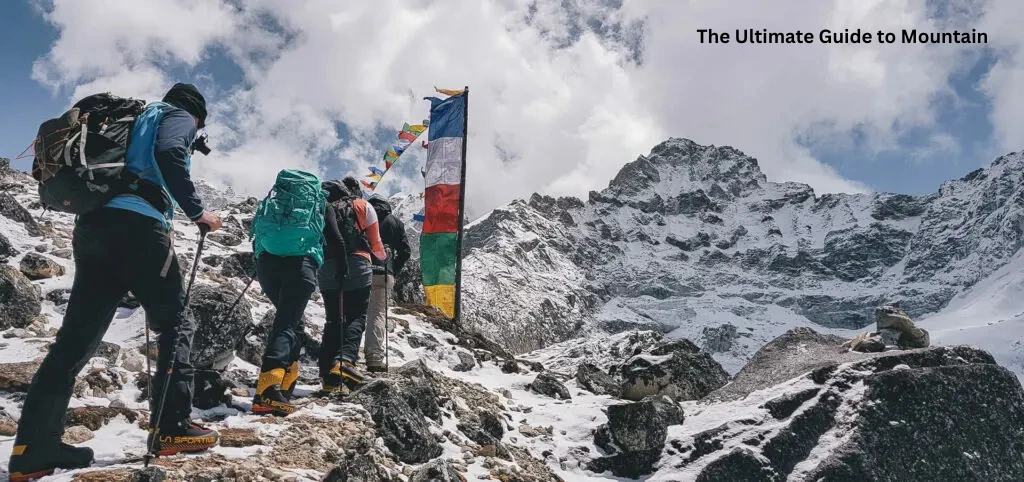
A complete beginner-friendly 2025 guide to mountain photography. Learn the best camera settings, gear, lighting tips, composition techniques, and pro secrets to capture stunning mountain landscapes.
Introduction: Why Mountain Photography Feels Magical
Mountain photography has a beautiful charm that makes it one of the most rewarding forms of landscape photography. The vastness of the mountains, the drama created by changing weather, the way light hits the peaks, and the raw natural energy make every shot feel alive. For beginners, this type of photography can be both exciting and intimidating. You deal with unpredictable weather, tough locations, and lighting that changes within seconds. But once you learn the right techniques, mountain photography becomes an unforgettable experience.
This 2025 guide will teach you everything step-by-step—from choosing gear, understanding settings, mastering composition, and capturing breathtaking images to editing and essential safety tips. Whether you use a DSLR, mirrorless camera, or even a smartphone, you will learn how to create professional-quality mountain photos.
What Makes Mountain Photography Special
Mountain photography is unique because of the scale and depth of the landscapes. Capturing mountains requires more than just pointing the camera and taking a shot. You need to think about perspective, distance, layers in the scene, and how to make the viewer feel the height and vastness. Lighting conditions change constantly in the mountains, which makes capturing the right moment both challenging and exciting. Clouds can move quickly, sunlight can disappear within seconds, and fog can transform an ordinary view into a dream-like scene.
Another reason mountain photography is distinctive is the terrain. Unlike city or beach photography, you often need to hike or climb to find the best vantage points. This adds an element of adventure. Mountain weather can be unpredictable, so every shot feels like a reward earned through patience and effort. This is why mountain photography is so fulfilling—it combines nature, adventure, and creativity.
Choosing the Best Gear for Mountain Photography
Cameras for Beginners and Pros
Selecting the right camera does not mean buying the most expensive option. Beginners can easily start with budget-friendly cameras that deliver excellent performance. Cameras like the Canon EOS R50, Sony A6400, Fujifilm X-T30 II, or Nikon Z50 are great starting points. They are lightweight, easy to use, and capable of capturing stunning mountain scenes.
Mid-range cameras, such as the Canon R7, Sony A6700, or Nikon Z5, provide more advanced features like better dynamic range and improved low-light performance. For those who want top-level image quality, professional cameras like the Sony A7 IV, Canon R6 Mark II, or Nikon Z7 II are perfect choices.
Surprisingly, smartphones have become powerful tools for mountain photography. Phones like the iPhone 15 or 16, Samsung S24 Ultra, and Google Pixel 9 offer excellent image processing and advanced computational photography. With proper techniques, even mobile photographers can create dramatic mountain images.
Choosing the Best Lenses
Wide-angle lenses are essential for mountain photography because they help capture the vastness of the landscape. A 16–35mm lens or a basic 18–55mm kit lens works well for beginners. If you want to capture far-away peaks or create dramatic compression in your images, a telephoto lens like a 70–200mm is ideal. Prime lenses such as 24mm, 35mm, or 50mm offer excellent sharpness and are great for portraits with mountains in the background.
Useful Accessories
A sturdy tripod is extremely important for mountain photography, especially when shooting long exposures or low-light scenes. A polarizing filter can make your sky richer and reduce glare from water or rocks. An ND filter allows you to create silky smooth waterfalls or cloud movement. Carrying extra batteries, SD cards, cleaning kits, and protective gear like a rain cover for your camera ensures smooth shooting during your mountain trips.
Mastering Camera Settings for Mountain Photography
Aperture Priority Mode
Beginners often get overwhelmed with manual mode, so using Aperture Priority (A/Av mode) is a good starting point. Setting your aperture between f/8 and f/16 creates a wider depth of field, making the entire landscape sharp from the foreground to the background. This is the sweet spot for landscape photography.
Understanding ISO
ISO controls the camera’s sensitivity to light. To keep your images clean and sharp, use the lowest ISO possible. On a bright day, ISO 100 to 200 works great. On cloudy days, ISO 200 to 400 is enough. Avoid going above ISO 1600 unless necessary, because it introduces noise and reduces image quality.
Shutter Speed Control
Shutter speed depends on whether you are shooting handheld or using a tripod. If you are holding the camera, keep your shutter speed at 1/125 or higher to avoid motion blur. When using a tripod, you can lower the shutter speed to capture long exposures, such as moving clouds or flowing rivers. For dramatic motion effects, shutter speeds between one and five seconds work beautifully.
Focus Techniques
For landscape photography, using single-point autofocus gives you more control. A common technique is to focus one-third into the scene, known as hyperfocal focusing. This ensures that both your foreground and background remain sharp.
Shooting in RAW
Always shoot in RAW when capturing mountain landscapes. RAW files preserve details, shadows, colors, and highlights far better than JPEG files. This gives you more flexibility when editing your images later.
Effective Composition Techniques for Mountain Photography
Creating Balance with the Rule of Thirds
Composition plays a vital role in making mountain photos look professional. The rule of thirds is one of the simplest yet most powerful techniques. Imagine your frame divided into a grid with nine equal sections. Place the mountain peak or horizon along one of the grid lines to create a naturally pleasing balance.
Using Leading Lines for Visual Flow
Leading lines guide the viewer’s eye through the image and toward your main subject. In mountain photography, natural elements such as hiking paths, rivers, shadows, rocks, or even streams work perfectly as leading lines. They add depth and make the photo more engaging.
Adding Foreground Interest
Foreground elements transform a simple mountain photo into a storytelling frame. Adding rocks, flowers, grass, or water in the foreground gives your image a sense of depth. This technique helps create a three-dimensional effect, making the viewer feel as if they’re standing in the scene.
Framing Your Subject Naturally
Using natural frames, such as overhanging branches, cave openings, or rock arches, can draw attention to the mountain. This technique adds drama and helps emphasize your subject.
Using Reflections
Mountains reflected in lakes or ponds create symmetrical and visually stunning images. Early mornings are the best time to capture reflections because the water is calm and mirror-like. These shots are very popular and visually appealing.
Including Human Elements
Including a person in your mountain photo adds emotion and scale. A small figure standing on a ridge or rock makes the mountains look massive. It also adds storytelling and makes your photos more relatable to viewers.
Best Lighting Conditions for Mountain Photography
Golden Hour Magic
Golden hour occurs one hour after sunrise and one hour before sunset. During this period, sunlight is soft, warm, and creates gentle shadows that enhance texture and details. This is the best time for mountain photography because the light beautifully illuminates the peaks and creates a dreamy effect.
Blue Hour Moodiness
Blue hour happens just before sunrise or just after sunset. The sky turns deep blue and creates a peaceful, moody atmosphere. Snow-covered mountains look especially magical during this time.
Shooting During Midday
Midday light is harsh, but can still work if you use filters, adjust shadows, or convert your image into black and white. This time is also suitable for capturing high-contrast scenes.
Fog and Mist for Fantasy-Like Scenes
Fog can turn mountains into mysterious and magical landscapes. Shooting fog requires patience because it moves quickly, creating unique layers and moods. Telephoto lenses are ideal for capturing foggy mountain layers.
Stormy Weather Drama
Storm clouds create moody, high-contrast images that are filled with energy. However, safety should always come first in such weather.
Mobile Mountain Photography Tips
Modern smartphones are capable of capturing stunning mountain photos. Using features like HDR, manual exposure, RAW mode, and tripod support can drastically improve your results. Apps like Lightroom Mobile and Snapseed allow easy and professional editing.
Editing Your Mountain Photos Like a Professional
Editing is the final step in creating stunning mountain images. Start by adjusting contrast to add depth and richness. Enhance clarity and texture to bring out the details of rocks and clouds. Balancing highlights and shadows is essential, especially when shooting mountains where light varies greatly. Use the dehaze tool to reduce atmospheric haze, common in high altitudes. Enhance the blues of the sky and greens of the trees gently, keeping the image natural. Finish with sharpening and adjusting white balance for accurate colors.
Safety Tips for Mountain Photography
Mountain photography requires awareness and preparation. Always check the weather before heading out. Wear proper shoes, warm layers, and carry enough water and snacks. Inform someone about your travel plan, especially if you’re hiking alone. Maintain a safe distance from cliffs and wildlife. Protect your camera from rain and cold conditions. Your safety should always be your first priority.
Mountain Photography Checklist for Beginners
Before heading out, make sure your batteries are fully charged, memory cards are empty, and your camera is clean. Pack your tripod, filters, and protective gear. Once you reach the location, spend time exploring your surroundings and understanding where the light falls. Don’t rush—mountain photography rewards patience. After shooting, back up your photos and edit them for final output.
Common Mistakes to Avoid
Beginners often make mistakes like tilted horizons, overexposing the sky, or forgetting foreground elements. Avoid shooting only from eye level—experiment with low or high angles. Don’t rely on a single shot; mountains change every minute, so take multiple compositions. Keep your ISO low and ensure your shutter speed is suitable for sharp images. Never crop out the mountain peak, as this ruins composition.
Conclusion
Mountain photography is a blend of patience, creativity, and nature’s beauty. With the right techniques, even beginners can capture breathtaking scenes. The key is understanding light, mastering composition, experimenting with different angles, and being patient. If you follow the guidance in this 2025 edition, your mountain photography skills will improve rapidly. With every adventure, you’ll learn something new and create images that tell powerful stories.
Also Read: The Ultimate Guide to Mountain Photography for Beginners (2025 Edition)
source :
https://www.nationalgeographic.com/photography
https://digital-photography-school.com/landscape-photography-tips
Photography Life – Landscape Photography Tutorials
✅ FAQs (Frequently Asked Questions)
1. What type of camera is best for mountain photography as a beginner?
A beginner can start with any entry-level DSLR or mirrorless camera like the Canon EOS R50, Sony A6400, or Nikon Z50. These cameras offer good dynamic range, lightweight design, and simple controls. Even modern smartphones can capture great mountain photos with the right settings.
2. What is the best time of day to photograph mountains?
Golden hour (one hour after sunrise or before sunset) is ideal because the light is soft, warm, and creates beautiful shadows. Blue hour is perfect for moody, dramatic shots. Midday can work too, but the light is harsher, so using filters helps.
3. How can I make my mountain photos look more dramatic?
Include foreground elements like rocks, flowers, or water to add depth. Use leading lines that guide the viewer’s eye. Shoot during sunrise, sunset, fog, or after rainfall for dramatic lighting and atmosphere.
4. What lens is most useful for mountain photography?
A wide-angle lens (16–35mm) is best for capturing vast landscapes. A telephoto lens (70–200mm) is great for isolating mountain peaks and compressing perspective. Beginners can use an 18–55mm kit lens effectively.
5. How do I keep my mountain photos sharp?
Use Aperture Priority mode with an aperture between f/8 and f/16. Keep ISO low and use a tripod when needed. Focus one-third into the frame to get the entire scene sharp (hyperfocal distance).
6. Can I shoot mountain photography with a smartphone?
Yes. Modern phones like the iPhone 15/16, Pixel 9, and Samsung S24 Ultra capture high-quality photos. Use HDR, RAW mode, manual exposure, and editing apps for the best results.
7. How do I capture mountains when the weather keeps changing?
Be patient and shoot continuously. Mountain weather changes quickly, often creating magical moments. Always check weather forecasts before hiking and carry protective gear for your camera.